


28 Oct Maintaining Your LPG Tank

If you use propane in your day-to-day farming, you already know how much your operation depends on that tank sitting out by the barn or the field. It keeps the heaters running in the livestock barn, powers irrigation pumps, and fuels grain-drying systems. But even the toughest LPG tanks won't last forever without some attention. A little propane tank maintenance goes a long way toward keeping your fuel supply reliable, your equipment safe, and your investment protected.
Think of it like maintaining your tractor. You don't wait until it breaks down in the middle of harvest; you check fluids, replace worn parts, and keep it clean so it performs when you need it most. Your propane tank deserves the same care. With a few simple habits, you can prevent leaks, stay compliant with regulations, and save money in the long run.
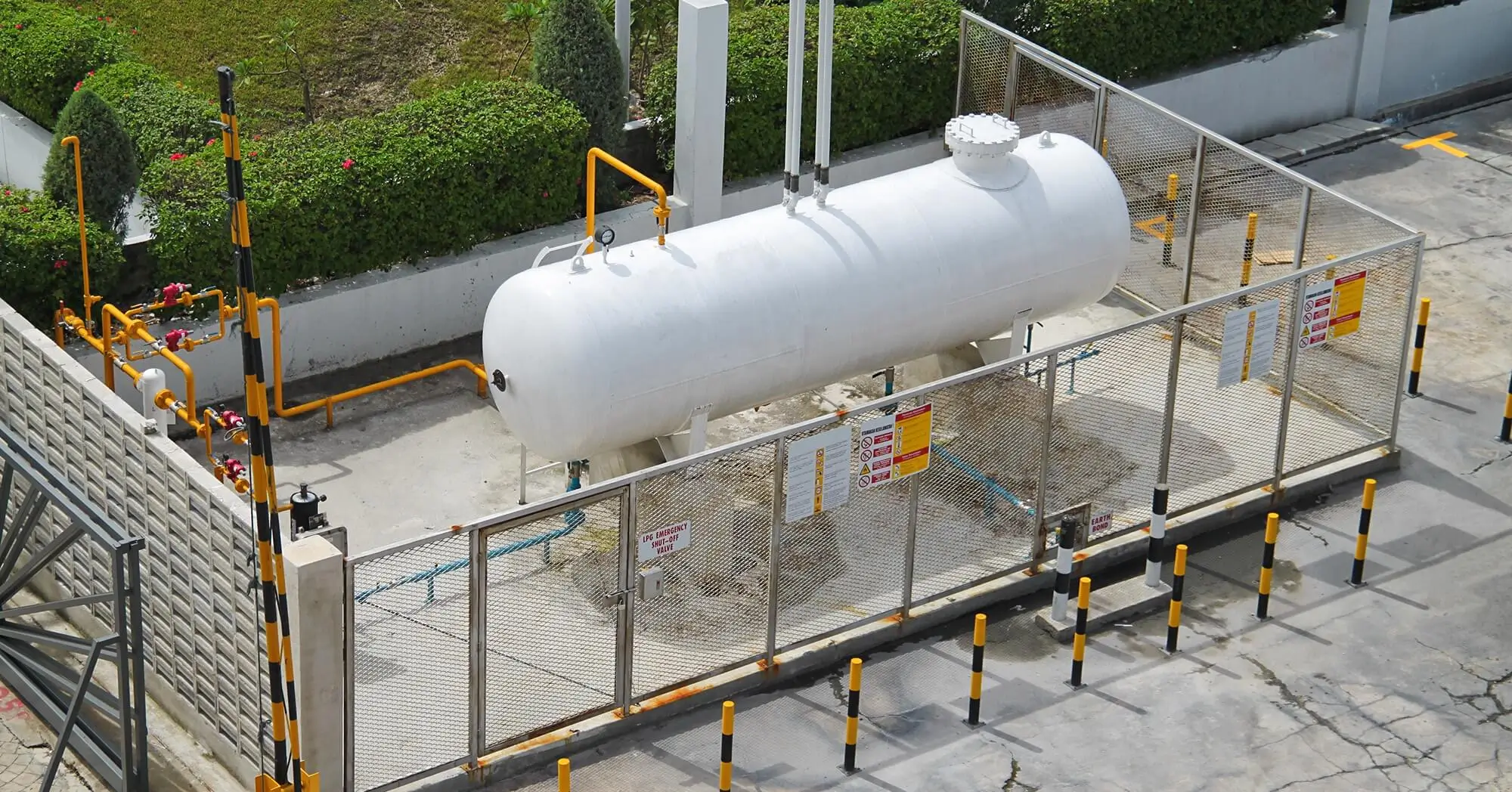
Why Proper Propane Tank Maintenance Matters
On the farm, downtime is expensive. If your propane tank fails in the middle of a cold snap or when the grain dryer is running, you could lose valuable time, crops, or livestock comfort. That's why propane tank maintenance isn't just another box to check; it's a way to protect the core of your operation.
The biggest reasons farmers stay on top of maintenance are:
- Safety: A neglected tank can develop leaks or pressure issues, which put people and property at risk. Propane is safe when handled properly, but you don't want to gamble with it.
- Efficiency: A well-maintained LPG tank keeps fuel flowing consistently. That means your heaters, pumps, and engines work the way they should, without interruption.
- Longevity: Tanks are built tough, but they're not invincible. Regular checks and preventative care extend their service life, saving you from costly replacements before it's truly necessary.
Understanding Agricultural LPG Tanks
On the farm, LPG tanks often pull double or triple duty, fueling irrigation pumps, drying grain, heating barns, and even powering certain vehicles. That means they're in use year-round and exposed to just about every kind of weather. Over time, that constant demand takes its toll.
Here are the parts you'll want to keep an eye on:
- Valves and regulators: They control the pressure and flow of propane. If they're damaged or sticking, you could face inefficiency or safety issues.
- Gauges: Your fuel level gauge is your first line of defense against running out mid-task. If it's inaccurate, you won't know until it's too late.
- Exterior coatings: The paint or protective layer is more than cosmetic — it's what keeps corrosion from creeping in.
- Tank body: Look for dents, rust, or impact damage from tractors, livestock, or equipment.
LPG storage tank regulations apply to agricultural tanks, too, covering placement, distance from structures, and safety features. We'll dig into compliance more later, but it's important to know that codes exist and they do change over time.
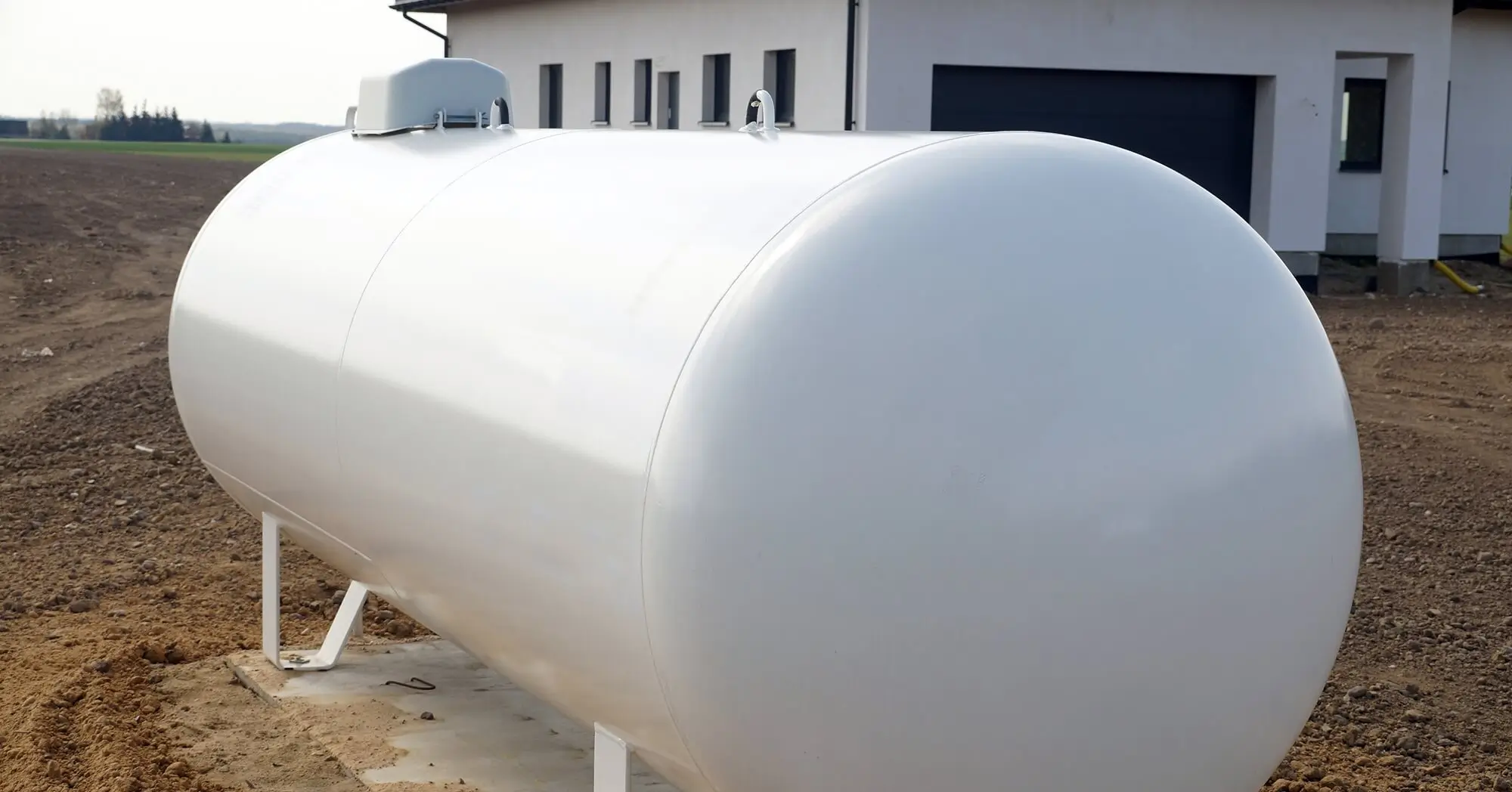
Preventive LPG Tank Maintenance: Daily & Seasonal Practices
Propane tanks don't need constant babysitting, but a few regular habits can save you from expensive headaches down the road.
Daily or Weekly Checks
- Walk around the tank and look for obvious issues such as dents, rust spots, or chipped coatings.
- Check valves and regulators for signs of wear or leaks (a faint propane smell is a red flag).
- Make sure gauges are working and giving you a clear reading.
Seasonal Care
- Before winter: Clear away weeds, brush, and anything that could block access to the tank. Farmers know how quickly a snowdrift or frozen mud can make routine service a nightmare.
- Before planting season: Double-check the coating and make sure farm equipment can't bump or scrape the tank. A simple fence or set of posts can prevent accidental damage from tractors or trailers.
- Year-round: Keep the area around the tank clean and accessible.
Corrosion Protection and Environmental Factors
If there's one thing that will shorten the life of an LPG tank, it's corrosion. And on the farm, tanks face more corrosion risks than just about anywhere else. Moisture from rain, snow, or irrigation can sit against the tank. Fertilizers and chemicals in the soil can eat away at the coating. Even livestock rubbing against a tank can chip the paint and expose bare steel.
The key is to stay ahead of it. Here are a few ways farmers protect their tanks from environmental wear:
- Keep the coating intact: That paint is the first line of defense. If you see chips or scratches, touch them up before rust sets in.
- Watch for pooling water: Make sure the tank sits on a solid, well-drained base. Standing water is a guaranteed recipe for corrosion.
- Barrier protection: If your tank is in a high-traffic area, simple fencing or bollards prevent accidental dings that break the coating.
- Underground vs. above-ground: Both options have pros and cons. Underground tanks avoid direct weather exposure but can be harder to inspect. Above-ground tanks are easier to monitor but need more protection from the elements.
Dragon designs tanks and coatings to withstand severe-duty conditions, but no equipment is indestructible. A little awareness goes a long way in stretching the life of your tank.
Parts Replacement and Professional Servicing
Even if your tank looks fine from the outside, small parts can wear out quietly over time. Valves, regulators, and gauges do a lot of work, and when they start to fail, you'll notice it in poor performance — or worse, safety issues.
Here are a few signs it's time to act:
- Valves that stick or won't fully close: This can allow leaks or pressure loss.
- Gauges that seem "off": If your readings don't match your actual fuel use, it's time for a replacement.
- Regulators that fail under pressure: Inconsistent propane flow can throw off everything from heaters to pumps.
The truth is, some repairs just aren't DIY jobs. Farmers can handle the daily walk-arounds, but anything involving disassembly, pressure control, or leak repairs should be left to certified technicians. Professional servicing not only keeps your tank in top condition, it also ensures you're meeting compliance standards.
This is where Dragon really shines. From field service teams to replacement parts and full refurbishing, Dragon Products has built support around keeping LPG tanks safe and working for the long haul. When you know your tank is serviced by people who design and manufacture this equipment, you get peace of mind.
Staying Compliant With LPG Storage Tank Regulations
Nobody likes red tape, but regulations are there for a reason. A leaking or improperly placed LPG tank isn't just a hazard for your farm; it can put neighbors, workers, and property at risk. That's why LPG storage tank regulations are strict about where tanks can be located, how they're protected, and how they're serviced.
On the agricultural side, compliance usually comes down to a few key points:
- Placement and distance: Tanks need to sit a safe distance from barns, silos, and other structures.
- Accessibility: Service teams and emergency crews should have clear access to the tank at all times.
- Safety features: Relief valves, shutoff valves, and proper signage are all required.
- Inspection schedules: Some jurisdictions require periodic professional inspections and certifications.
Even if you've had your tank in place for years, it's smart to stay current. Codes evolve, and what was acceptable a decade ago may not be today. A quick check with your local fire marshal or code office can save you from fines or forced downtime later.
Dragon builds tanks to API and ASME standards, so you can be confident you're starting with equipment that meets the highest safety benchmarks. Pair that with regular inspections and certified servicing, and staying compliant becomes one less thing to worry about.
Partner With Dragon Products for Sturdy, Reliable LPG Storage Tanks & Service
From durable propane tanks to 24/7 service support, Dragon offers everything you need for seamless operations. Protect your fuel supply and livelihood—choose Dragon for expert maintenance and dependable equipment.
Shop All LPG TanksTanks and Trailers | Dragon Products
At Dragon, exceeding standards is how we build every tank. Some call it "over-engineering." We just call it doing the job right.
FAQs About Propane Tank Maintenance
How often should I inspect my propane tank?
At a minimum, give it a visual inspection once a week. Look for signs of rust, dents, leaks, or damage to valves and regulators. A professional inspection is recommended annually.
What's the most common cause of propane tank problems on farms?
Corrosion is the number one issue, especially in humid or fertilizer-heavy environments. Protecting the exterior coating and keeping tanks clear of standing water or debris helps prevent it.
Are there LPG storage tank regulations I need to follow?
Yes. Regulations vary by state and local jurisdiction, but they usually cover tank placement, distance from structures, and safety features. Always check with your local fire marshal or code office.
When should I replace tank parts like valves or gauges?
Anytime they show signs of wear, sticking, or inaccurate readings. Don't put it off — faulty parts can compromise both safety and efficiency.
Can I service my LPG tank myself?
Farmers can handle basic inspections and preventative care, but servicing or replacing parts should be done by certified professionals. This keeps you compliant and ensures your tank is safe to use.
Sorry, the comment form is closed at this time.