


10 Mar What Is a Centrifugal Pump? Definition, Types, Advantages, & Key Considerations

On a farm or production site, pumps aren't something you think about until they stop doing their job. When water isn't moving where it needs to go, fuel transfer slows down, or a system can't keep up during peak demand, everything else feels it.
Centrifugal pumps have earned their place in agricultural operations because they handle those everyday demands without needing constant attention. They're well-suited for moving large volumes of fluid, whether that's irrigation water, production liquids, or fuel.
If you've ever sized a pump, maintained one in the field, or tied it into a larger system, you already know there's more to the decision than horsepower and flow rate. This guide takes a practical look at where and how centrifugal pumps work in agriculture, and what to keep in mind when choosing one for your operation.
What Is a Centrifugal Pump & How Does It Work?
If you've worked around irrigation systems, production sites, or fuel transfer setups, you've almost certainly used a centrifugal pump, even if you've never stopped to think about the mechanics behind it. These pumps are everywhere in agriculture because they handle the day-to-day job of moving fluid reliably, without needing much oversight.
Centrifugal pump definition: A pump that moves fluid by converting mechanical energy from a rotating impeller into kinetic energy, which increases the fluid's velocity and pressure as it exits the pump.
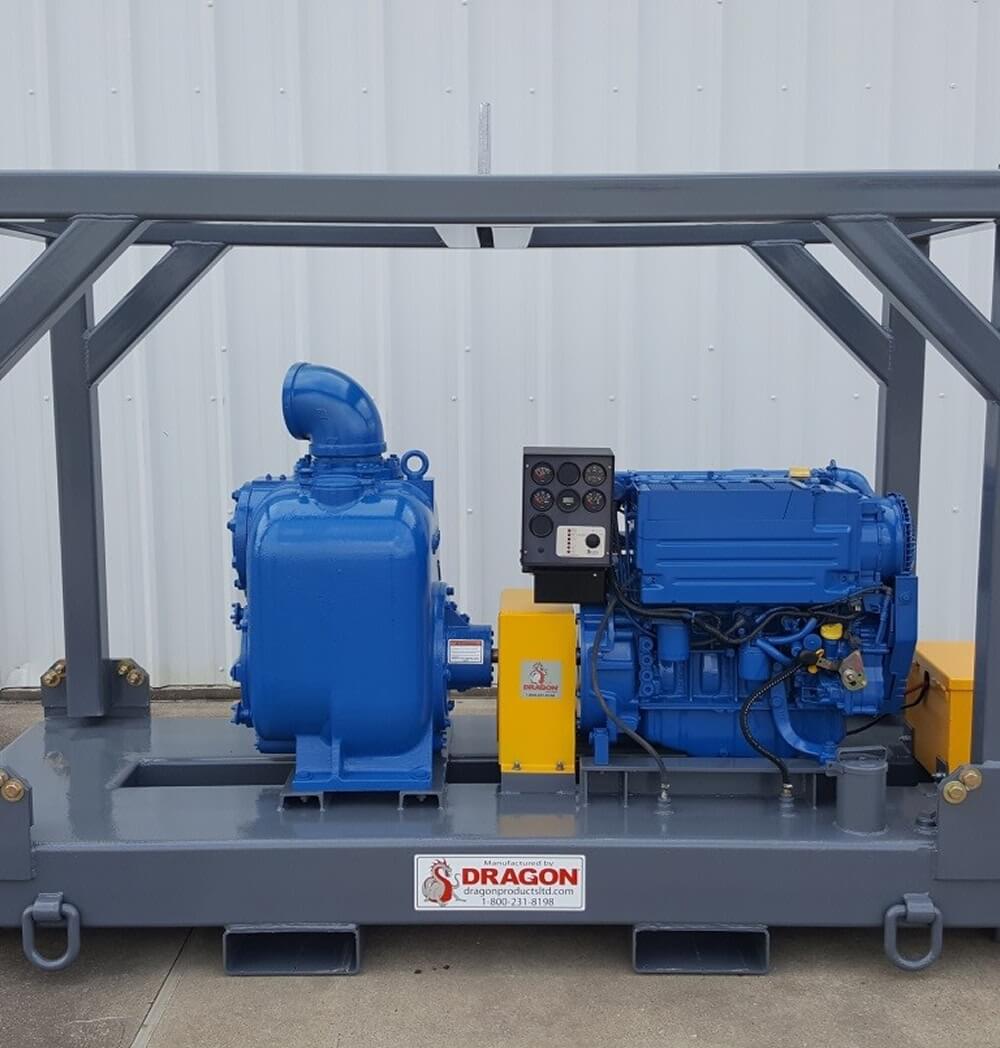
Translation: A centrifugal pump uses rotational energy to move liquid from one place to another. An internal impeller spins at high speed, creating centrifugal force that pulls fluid into the center of the pump and pushes it outward through the discharge. That simple motion is what makes centrifugal pumps so effective for the high-flow, low-to-moderate pressure applications that are common in agricultural operations.
Where centrifugal pumps really earn their keep is in how efficiently they handle continuous flow. In agricultural environments, that means consistent water transfer for irrigation, dependable movement of fuels or chemicals, and smooth circulation of fluids within production and storage systems. Unlike pumps used for highly viscous materials or stop-and-start dosing, centrifugal pumps thrive in applications where steady movement and volume matter most.
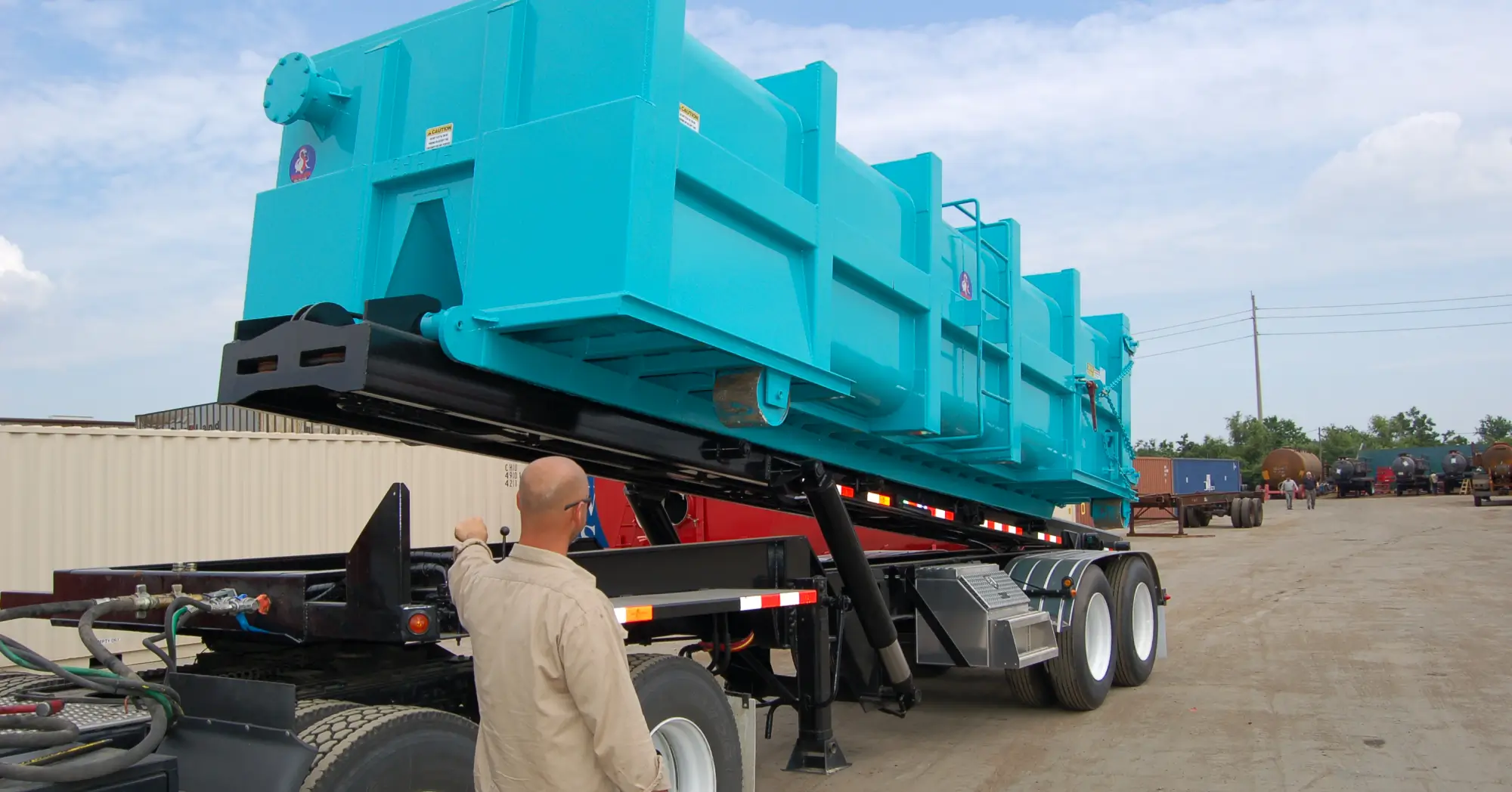
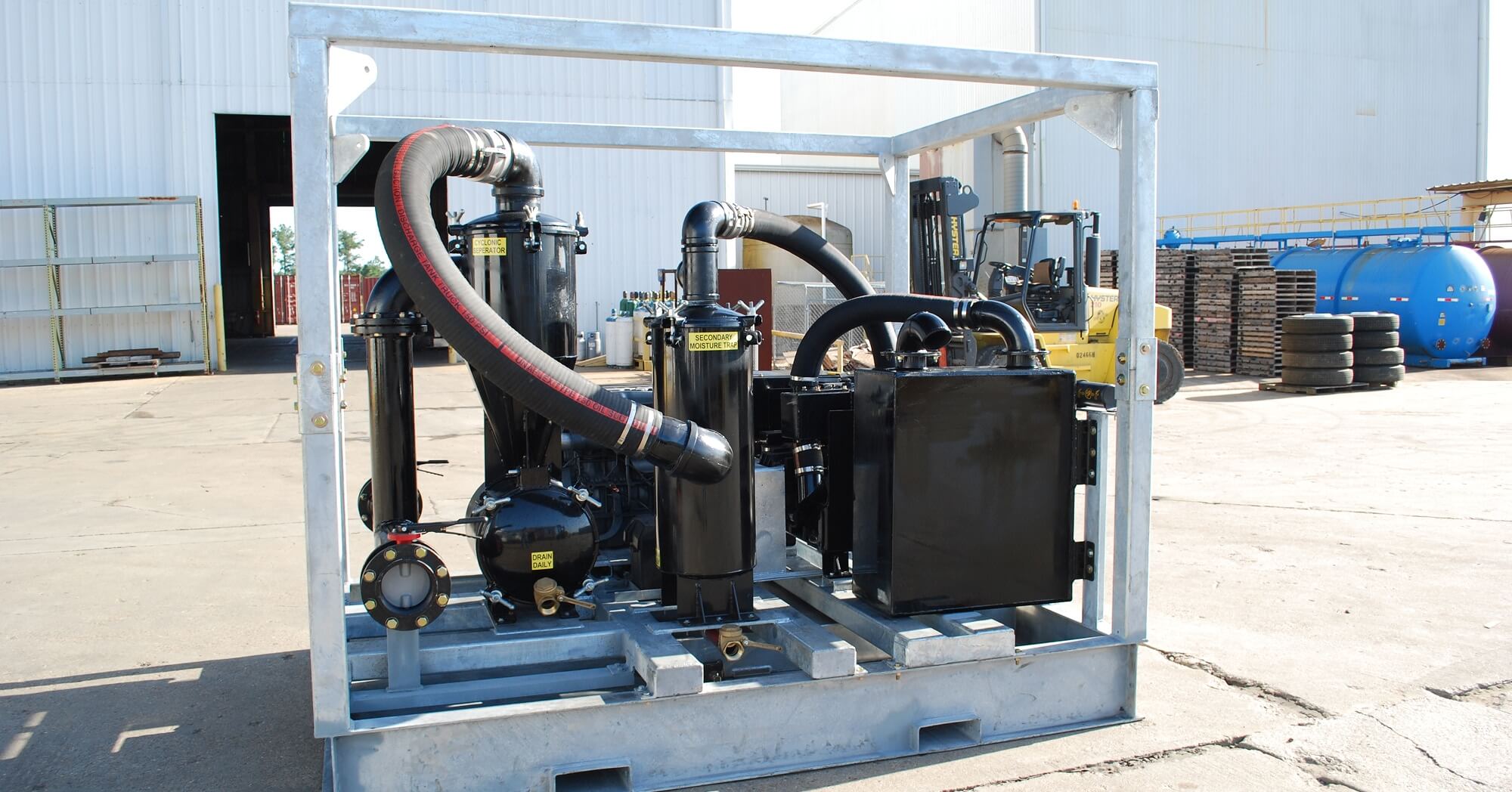
From an operational standpoint, the design is part of the appeal. Fewer internal components mean fewer wear points, easier maintenance, and less downtime during peak seasons. When paired with properly engineered production equipment, centrifugal pumps integrate cleanly into larger systems without requiring constant adjustment or oversight—something every farm operator can appreciate when time and labor are already stretched thin.
Common Uses in Agriculture & Production
Irrigation and Water Transfer
Centrifugal pumps move large volumes of water for irrigation systems, especially when flow needs to remain steady over long run times. Whether water is being pulled from a pond, tank, or centralized system, these pumps perform well in setups that prioritize consistent delivery over high pressure.
Their efficiency and relatively simple design make them a dependable option for irrigation operations that need equipment capable of running for extended periods without frequent adjustment or downtime.
Fuel Handling and Transfer Systems
On farms and production sites, centrifugal pumps move fuel from storage to equipment or auxiliary systems. They provide smooth, predictable flow and are easier to maintain than more complex pump types.
When paired with on-site storage, such as a gas tank for farm operations, centrifugal pumps help streamline fueling while keeping systems straightforward and reliable.
Production and Fluid-Handling Equipment
Centrifugal pumps also play a role in production environments where liquids need to be transferred between tanks, circulated within a system, or supported as part of separation and treatment processes. Their ability to integrate cleanly into larger production equipment setups makes them useful for operations that grow or change over time.
Types of Centrifugal Pumps
In agriculture, the right type of centrifugal pump usually comes down to where the pump sits, how it's powered, and what kind of access you need for maintenance. The three most common types show up in farms and production sites for very different reasons.
Horizontal Centrifugal Pumps
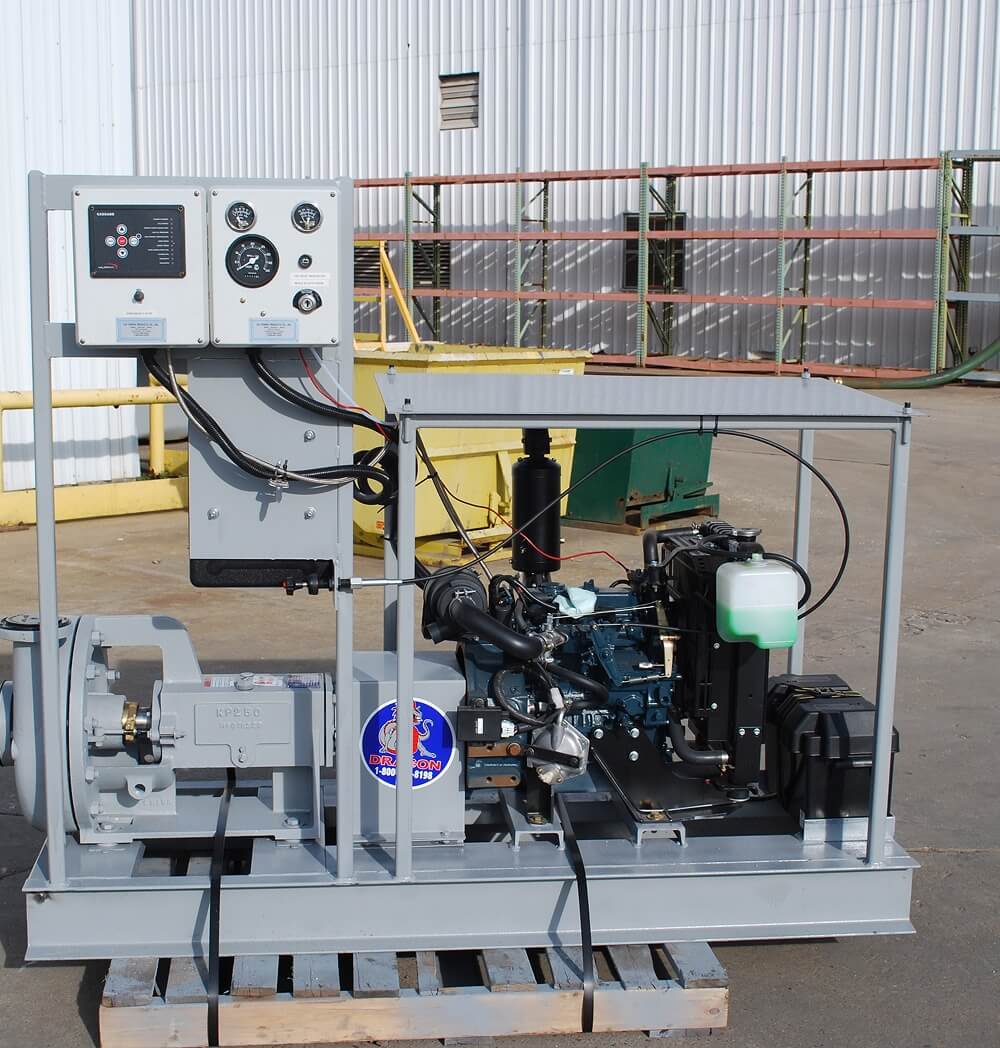
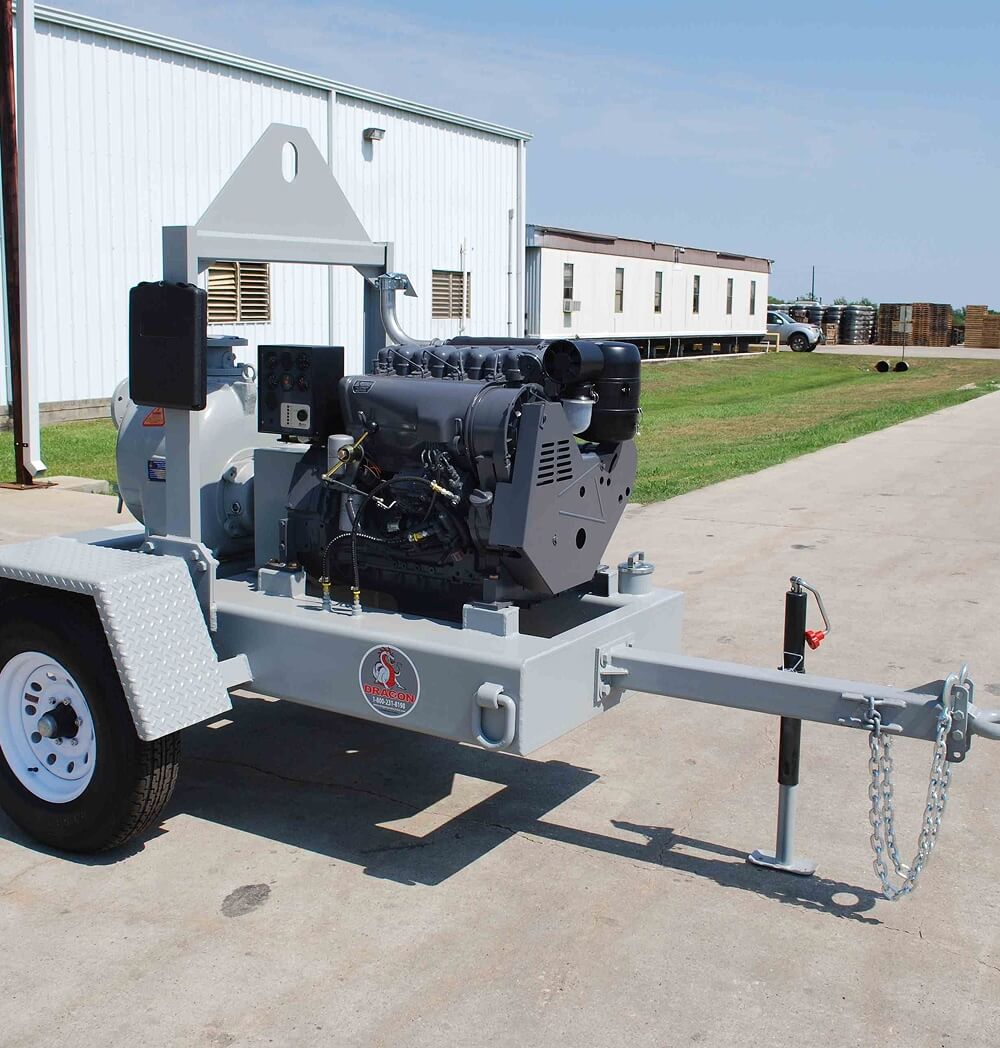
Horizontal centrifugal pumps are the most familiar style in agricultural operations. The pump shaft runs parallel to the ground, making these units easy to install and service. That accessibility is a big reason they're so common in pump houses, production areas, and fuel or water transfer systems.
They're well suited for applications where the pump can be mounted above ground and where routine maintenance needs to be straightforward. For operations that value simplicity and quick serviceability, horizontal pumps are a reliable go-to.
Vertical Centrifugal Pumps
Vertical centrifugal pumps are used when space is limited or the fluid source sits below ground level. With the motor mounted above the pump and the shaft extending downward, these pumps can move fluid from pits, sumps, or tanks without requiring a large footprint.
In agricultural settings, vertical pumps show up in water management systems or production environments where floor space is tight or where the pump needs to stay clear of standing liquids. While they may take a bit more planning to install, they're effective solutions when layout constraints come into play.
Submersible Centrifugal Pumps
Submersible centrifugal pumps operate fully submerged in the fluid they're moving. Because the pump and motor are sealed together, these units are found in wells, tanks, and other applications where placing equipment above ground isn't practical.
For farms that rely on deep water sources or enclosed storage systems, submersible pumps offer a clean, efficient way to move fluid without complex suction setups. They're not always the easiest to access for maintenance, but when installed correctly, they deliver dependable performance in environments where other pump types simply won't work.
Advantages for Agricultural Operations
Centrifugal pumps are widely used in agriculture because they offer a balance of performance, simplicity, and reliability that fits day-to-day farm demands.
Key advantages include:
- High flow efficiency: Well suited for moving large volumes of water, fuel, and production fluids where steady flow matters more than high pressure.
- Simple, durable design: Fewer internal components mean easier maintenance, quicker repairs, and less downtime during critical operating periods.
- Flexible power options: Electric centrifugal pumps are a solid choice when reliable grid power is available. Natural gas centrifugal pumps are another option, especially in remote areas or operations that already use gas-powered equipment, providing dependable flow with flexible fuel options.
- Easy system integration: Works well within irrigation setups, fueling systems, and production equipment without requiring complex controls or constant adjustment.
- Scalability over time: Adapts well as agricultural operations expand or change, making it a practical long-term equipment choice.
Choosing a Centrifugal Pump
Before selecting a pump for an agricultural operation, a few practical factors are worth considering.
- Fluid type and consistency: Centrifugal pumps perform best with low-viscosity fluids like water, fuel, or light production liquids.
- Required flow rate and pressure: These pumps excel at high flow, but they're not ideal for applications that demand consistently high pressure.
- Power availability: Electric pumps make sense where power is reliable, while natural gas options are often a better fit for remote sites or operations already running gas-powered equipment.
- Installation and access: Pump location matters. Ground-mounted units are easier to service, while vertical or submersible pumps may be necessary depending on space and fluid source.
- System compatibility: The pump should integrate cleanly with existing piping, storage, and production equipment without adding unnecessary complexity.
Production Equipment | Dragon Products
Dragon has the expertise to manufacture equipment tailored to your specifications and deliver it quickly and efficiently.
Choosing the Right Centrifugal Pump for Your Operation
Centrifugal pumps remain a cornerstone of agricultural fluid handling because they're dependable, efficient, and easy to work with. When selected with the application, power source, and system layout in mind, they provide long-term performance with minimal complication.
Get in touch, and we'll help you find the perfect pump for your setup.
FAQs: Frequently Asked Questions About Centrifugal Pumps
What is the difference between a centrifugal pump and a regular pump?
"Regular pump" is a broad term, but it's often used to describe positive displacement pumps. Centrifugal pumps move fluid using rotational force and are best for steady, high-flow applications, while positive displacement pumps move fixed amounts of fluid and handle higher pressures or thicker materials more effectively.
What are the three types of centrifugal pumps?
The three most common types are horizontal, vertical, and submersible centrifugal pumps. Each is built for different installation needs, space constraints, and fluid sources commonly found in agricultural and production environments.
What is the main disadvantage of a centrifugal pump?
The main limitation is that centrifugal pumps don't perform well with highly viscous fluids or applications requiring high pressure. Their efficiency depends on consistent flow conditions, which makes proper sizing and application especially important.

Sorry, the comment form is closed at this time.